MUNICH- Guest post from David Marimon, Catchoom CEO
There are two things I want you remember after you
read this blog:
·
AR is here and it has practical, everyday uses with sound
technology
·
The market is accepting using it faster than you think
I want to show you why these things are
true through an example, Audi.
Not long ago, we were hearing many
skeptical voices talking about Augmented Reality (AR). Let me share a couple of
anecdotes.
I remember in particular an attendee
telling a panel formed by Layar, Metaio, Qualcomm executives and myself how
nerdy we would look like with AR glasses. This was at Mobile World Congress in
2011.
Last month, I was speaking with the Head
of Future Technologies at Pearson, a global publishing firm. She told me that
AR is ready for the market and not something for the future, but they just need
to figure out the best business model for everyone to make real money.
I could not agree more.
So what is she and others referring to
when they say AR is ready? Let’s take a couple of recent examples.
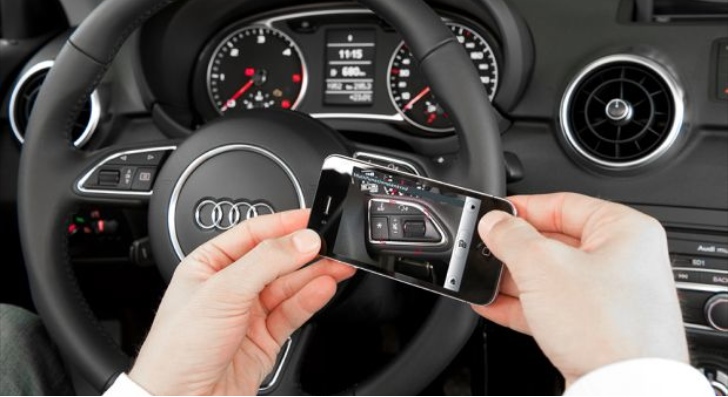
The Audi eKurzinfo app (demoed by Metaio for the first time
at insideAR 2012) lets drivers have intuitive access to pages of the driver’s
manual simply by pointing at the space in the car they’re interested in.
Is this new? Not exactly, one of the first
implementations of AR was actually in car maintenance with mechanics – using
big goggles connected to a laptop to make access to information so they could
perform maintenance on the luxury cars. Does that surprise you to know that
some of AR’s first uses weren’t even for games, to view an ad or other
entertainment based things we have come to associate it with – it was
utilitarian, functional and gave people access to information to do their jobs.
The changes are more subtle and at the
same time more bold. Mobile has made a huge difference, but uses have too. Audi
has been bold enough to deliver this application not only to their certified
garages for skilled maintenance teams, but now into the hands of their prized
end-users. And, this is the real change - AR is not for techies anymore
but for any user armed with a smart phone which is about 1 billion peoplearound
the world today.
And, what about wearables?
Museums in Barcelona like the MACBA or MNAC have
been using AR recently in their expos to showcase art or special exhibitions.
Users equipped with an iPad and the Layar app
can access alternative views or get detailed explanations about art pieces in
the collection. Visitors of these museums aren’t necessarily art experts, so a
little help from AR, makes the whole experience much more interactive and
memorable.
In the last AR Meetup in Barcelona on
October 3, I had the opportunity to talk to the different agencies who prepared
those AR experiences. When asked what people thought about holding their arms
with an iPad, the response was the same for all of them: we need glasses. Wow!
Just looking at the amount of wearables at
AWE last June, this comes as no surprise, companies in this area have been
around for a while but Google Glass has opened the door for a discussion
around end consumers using them for AR, and not being a nerdy thing, which
today is quite cool.